


Agricultural drones help address labor shortages in the agricultural sector
In recent years, labor shortages have become a major challenge in global agriculture, particularly in rural areas where younger workers are leaving farming. In this context, plant protection drones have emerged as an effective solution.
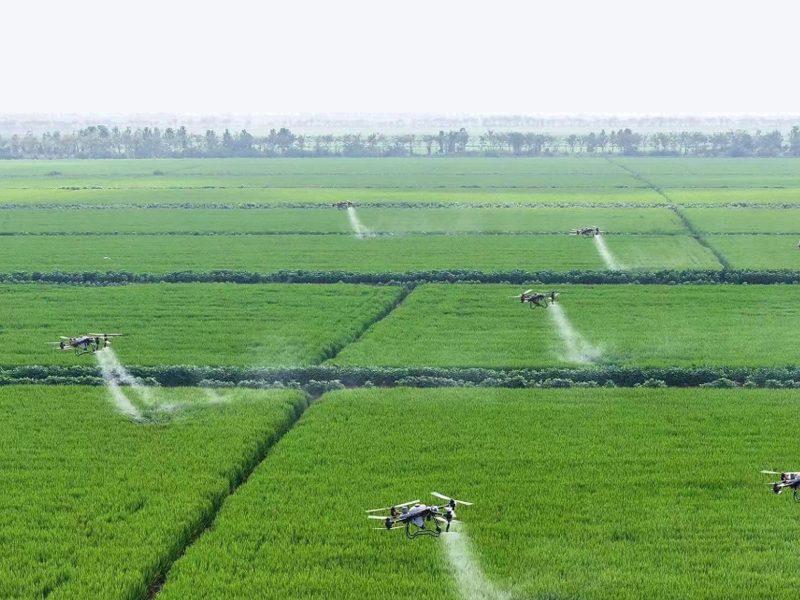
Compared to manual spraying, agricultural drones can complete tasks much faster. One operator can manage one or multiple drones, significantly reducing labor dependency. In addition, drones are easy to operate and require shorter training periods, making them highly scalable.
In practical use, crop spraying drones can adapt to various terrains, including flat fields, hills, and mountainous areas. This flexibility greatly improves operational efficiency in different farming environments.
Furthermore, drones reduce direct exposure to pesticides, improving worker safety. This is especially important in extreme weather or hazardous conditions.
As agricultural mechanization and automation continue to advance, plant protection drones will play a crucial role in improving productivity and driving the modernization of agriculture.
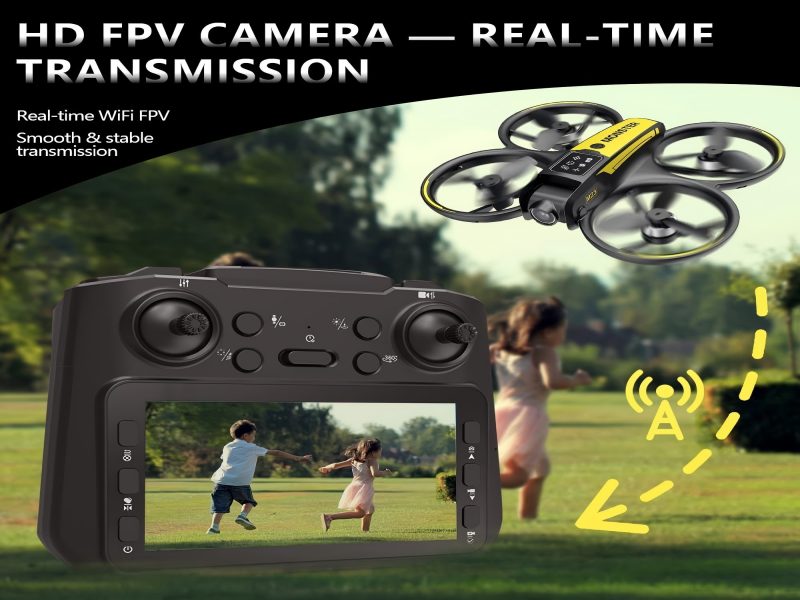 Kids Drones 2026 USA: Safe, Affordable & High-Value for Ages 6–12
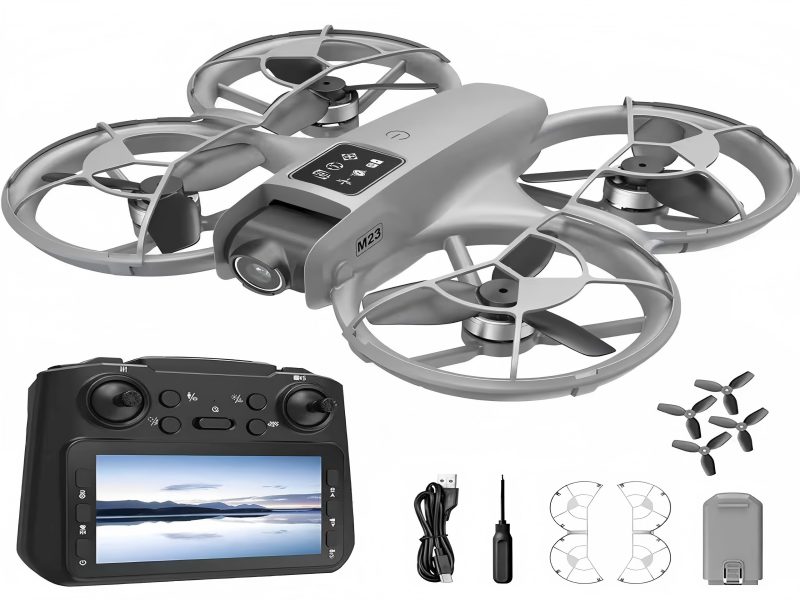 Top 5 Safety Features Every Kids Drone Must Have (2026 Buying Guide for Amazon US Parents)
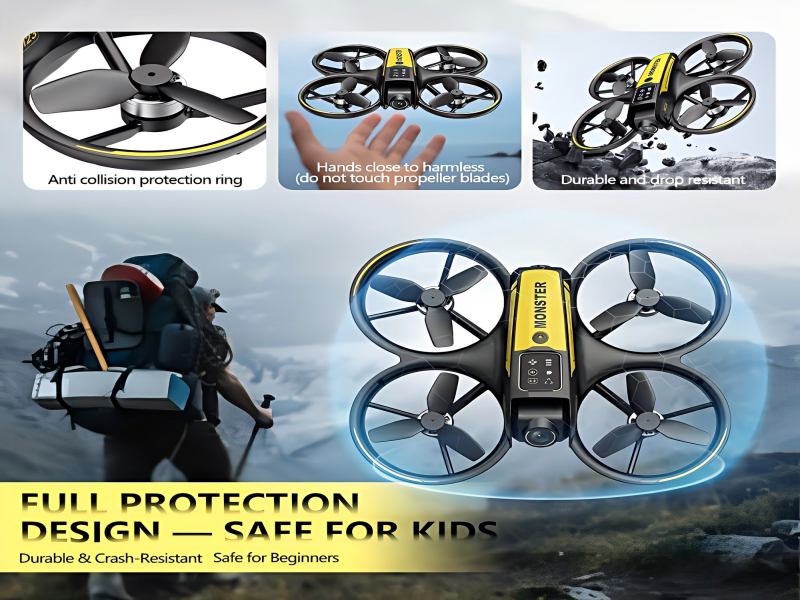 How to Choose the Best Kids Drone for Safe, Fun, and Educational Play – CloudWings Dong Kun Line
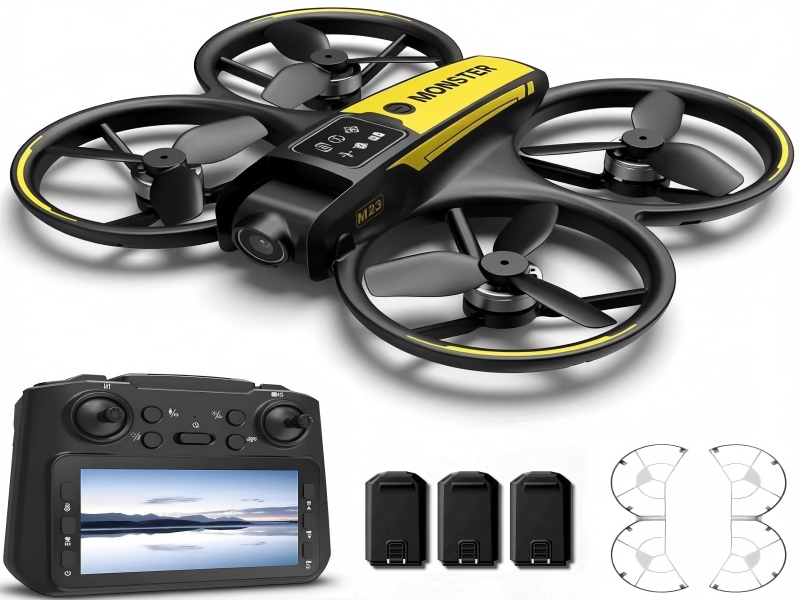 Why the U.S. Leads the Children's Drone Market: Types & Ideal Uses