


Agricultural Drones Drive the Development of Precision Spraying Technology
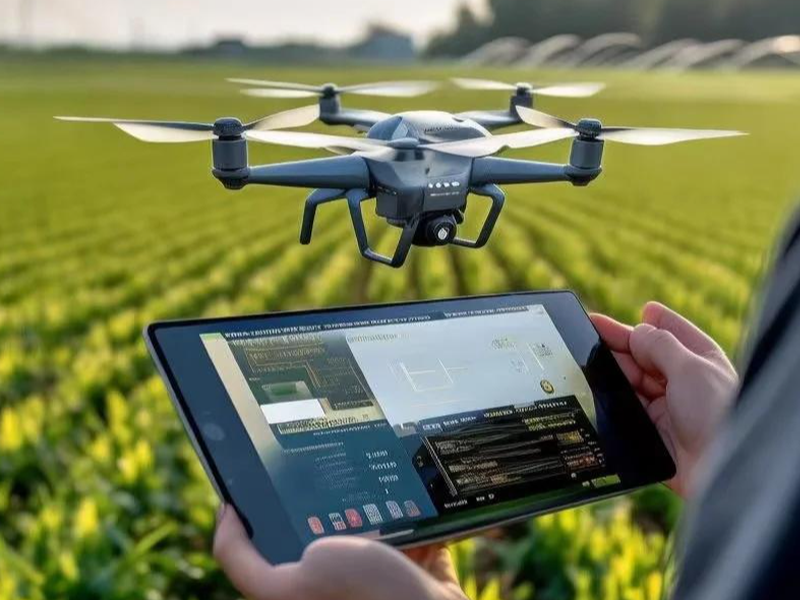
Precision spraying has become a key trend in modern agriculture. Traditional farming methods often rely on manual experience for pesticide and fertilizer application, which can lead to uneven coverage, resource waste, and environmental pollution. With the advancement of agricultural drones, these challenges are being effectively addressed.
Equipped with advanced flight control systems and intelligent spraying devices, crop spraying drones can perform highly accurate operations based on crop distribution, terrain conditions, and preset parameters. Drones follow pre-programmed flight paths and automatically adjust spray volume according to speed and altitude, ensuring even coverage across fields. This precision not only improves crop protection but also significantly reduces chemical usage.
Furthermore, modern agricultural drone solutions integrate sensors and data analytics to monitor crop conditions in real time. Farmers can use this data to implement variable spraying, applying different amounts of chemicals to different areas based on actual needs. This data-driven approach enhances efficiency and optimizes resource utilization.
From an economic perspective, precision spraying reduces labor and input costs while improving crop yield and quality. From an environmental standpoint, reduced chemical usage helps protect soil and water resources, supporting sustainable agriculture.
Looking ahead, with the integration of AI and automation technologies, drone spraying technology will become even more intelligent and precise, playing a crucial role in the future of global agriculture.
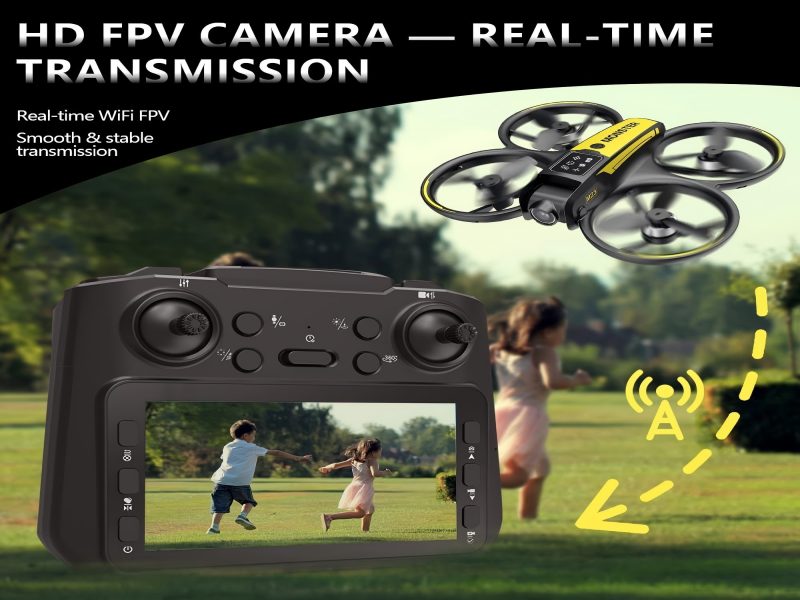 Kids Drones 2026 USA: Safe, Affordable & High-Value for Ages 6–12
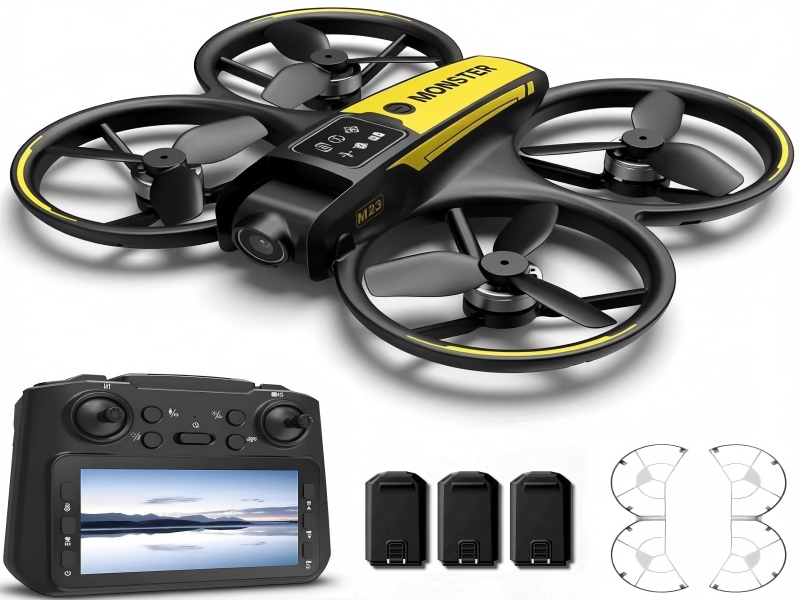
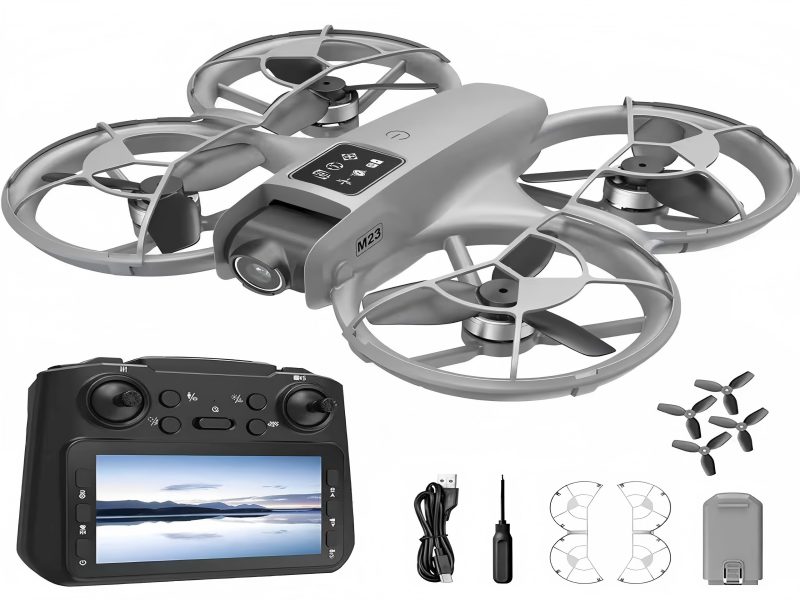 Top 5 Safety Features Every Kids Drone Must Have (2026 Buying Guide for Amazon US Parents)
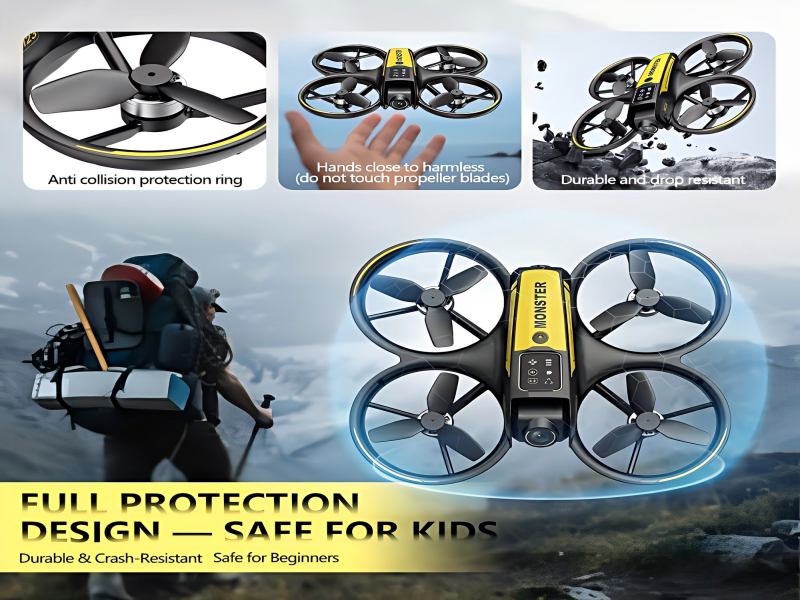 How to Choose the Best Kids Drone for Safe, Fun, and Educational Play – CloudWings Dong Kun Line
 Why the U.S. Leads the Children's Drone Market: Types & Ideal Uses