


Agricultural drones improve pesticide utilization and promote the development of green agriculture
In modern agriculture, pesticide efficiency plays a critical role in both production costs and environmental protection. Traditional manual spraying often leads to uneven coverage, chemical waste, and drift pollution. The adoption of plant protection drones is effectively solving these challenges.
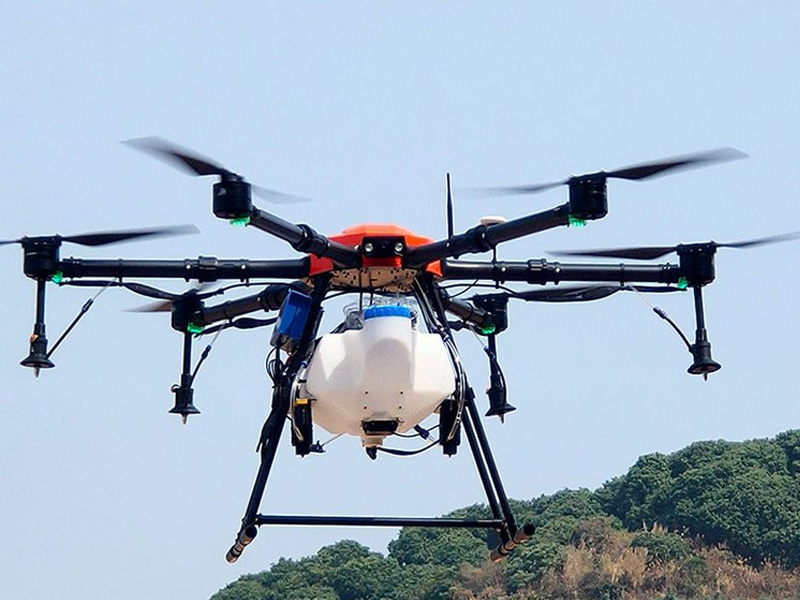
Equipped with high-precision spraying systems, crop spraying drones can ensure uniform coverage while automatically adjusting spray volume based on flight speed and altitude. Compared to traditional methods, drones can reduce pesticide usage by 20–30% while improving effectiveness.
In addition, agricultural drones can complete large-scale operations in a short time, significantly improving efficiency. They are widely used in crops such as rice, wheat, and corn, becoming a mainstream solution in modern farming.
With the growing focus on sustainable agriculture, reducing chemical usage and improving resource efficiency are key priorities. Plant protection drones not only lower operational costs but also minimize environmental impact on soil and water systems.
In the future, with advancements in intelligent spraying and data analytics, drone spraying technology will play an even greater role in promoting sustainable agriculture worldwide.
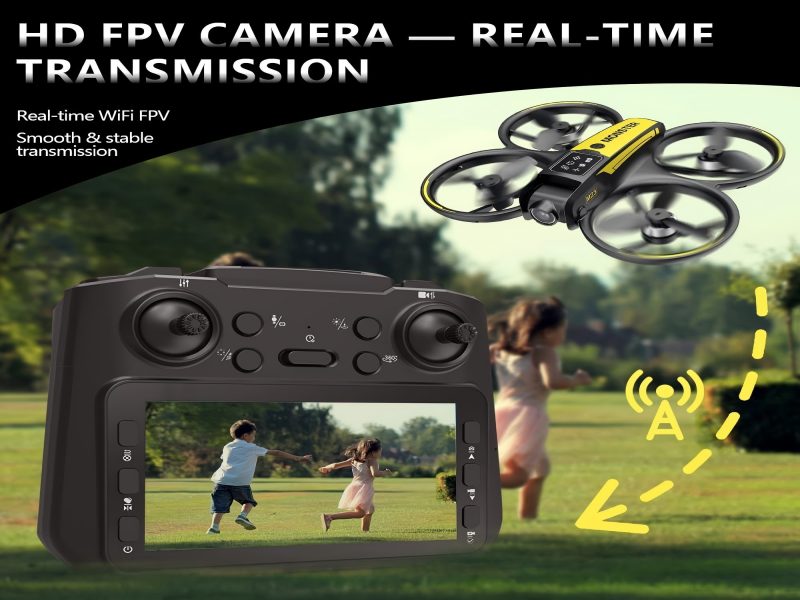 Kids Drones 2026 USA: Safe, Affordable & High-Value for Ages 6–12
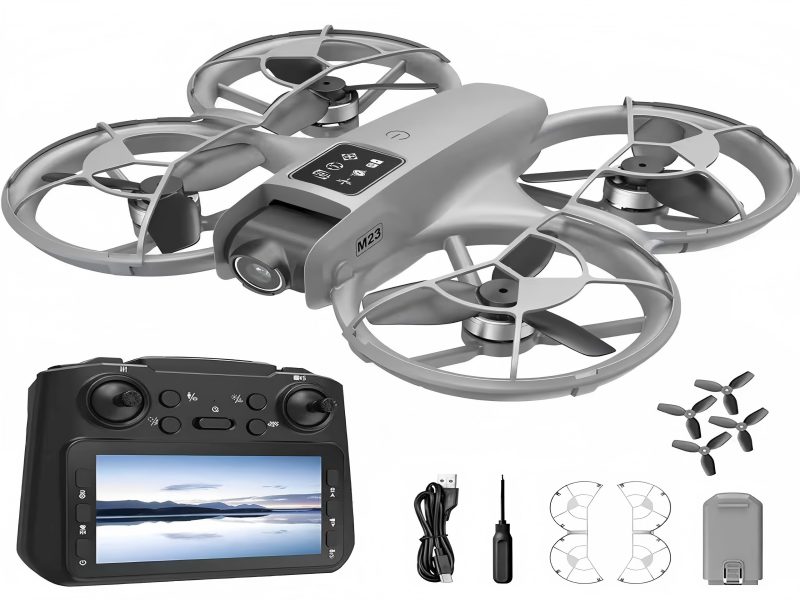 Top 5 Safety Features Every Kids Drone Must Have (2026 Buying Guide for Amazon US Parents)
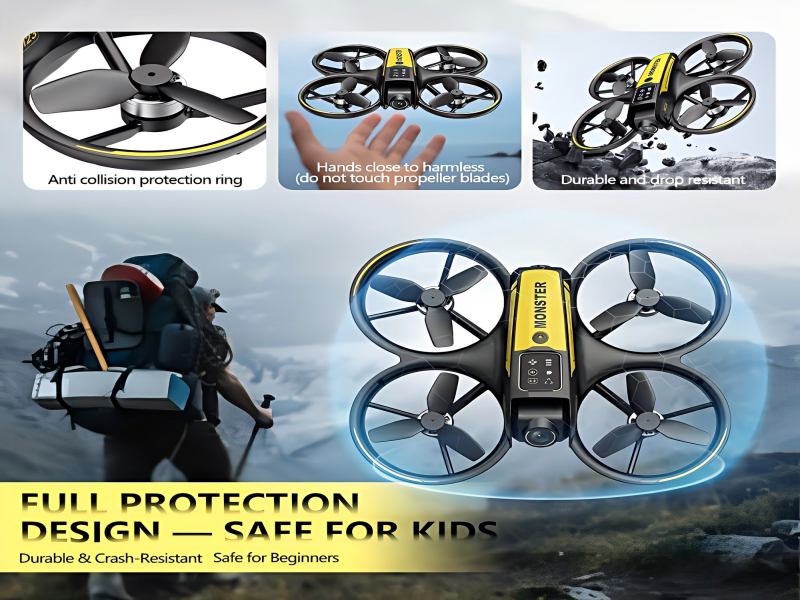 How to Choose the Best Kids Drone for Safe, Fun, and Educational Play – CloudWings Dong Kun Line
 Why the U.S. Leads the Children's Drone Market: Types & Ideal Uses