


Drone Applications in Energy Inspection Are Accelerating: A Key Trend in the Commercial Drone Market
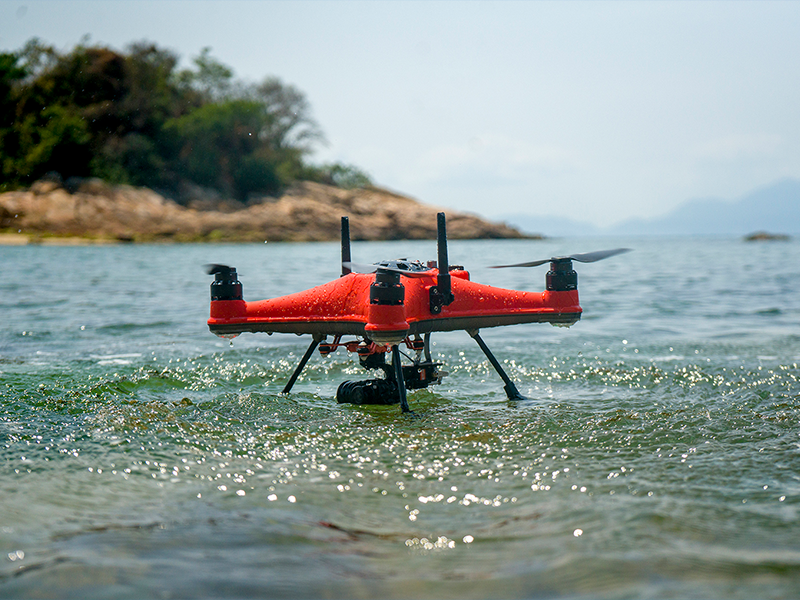
As global energy infrastructure continues to expand, the demand for efficient and safe inspection solutions is rapidly increasing. Traditional manual inspection methods are often time-consuming, costly, and risky—especially in high-voltage, high-altitude, and complex environments. As a result, commercial drones are becoming an essential tool in modern energy operations.
Today, drone inspection solutions are widely used in power line inspection, wind turbine monitoring, and oil & gas pipeline surveillance. Equipped with high-resolution cameras, thermal imaging sensors, and AI-powered detection systems, drones can identify potential issues such as overheating components, structural damage, and equipment aging in real time. Compared to manual inspections, drones can operate in remote or hazardous areas and perform frequent, efficient inspections with minimal human involvement.
In addition, integrating drones with data platforms enables automated analysis and reporting. By leveraging AI and historical data, energy companies can shift from reactive maintenance to predictive maintenance, reducing downtime and operational costs. This makes industrial drones for energy inspection a valuable investment for utility companies worldwide.
Looking ahead, advancements in autonomous flight, route planning, and multi-drone coordination will further enhance operational efficiency. Combined with 5G and cloud technologies, drones will enable faster data transmission and real-time decision-making.
Overall, the growing adoption of drone technology in energy inspection is driving the evolution of the commercial drone market, creating new opportunities for manufacturers and global suppliers.
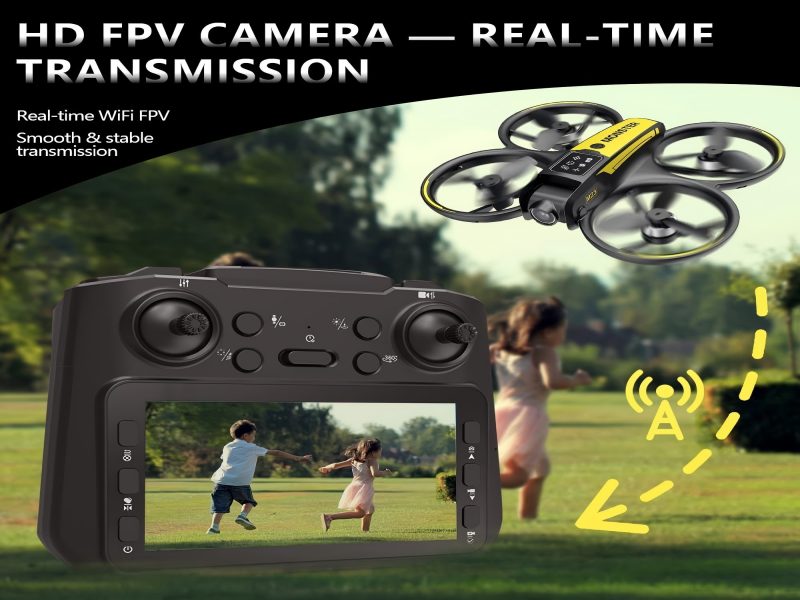 Kids Drones 2026 USA: Safe, Affordable & High-Value for Ages 6–12
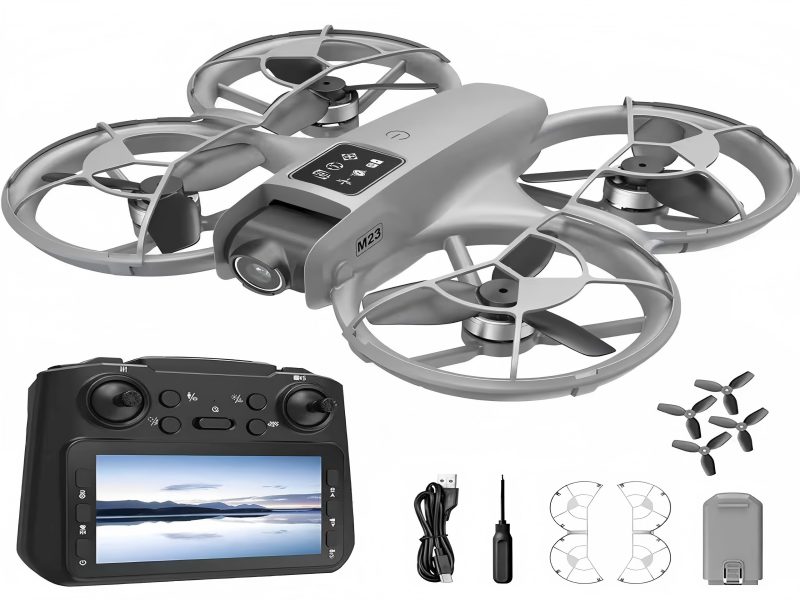 Top 5 Safety Features Every Kids Drone Must Have (2026 Buying Guide for Amazon US Parents)
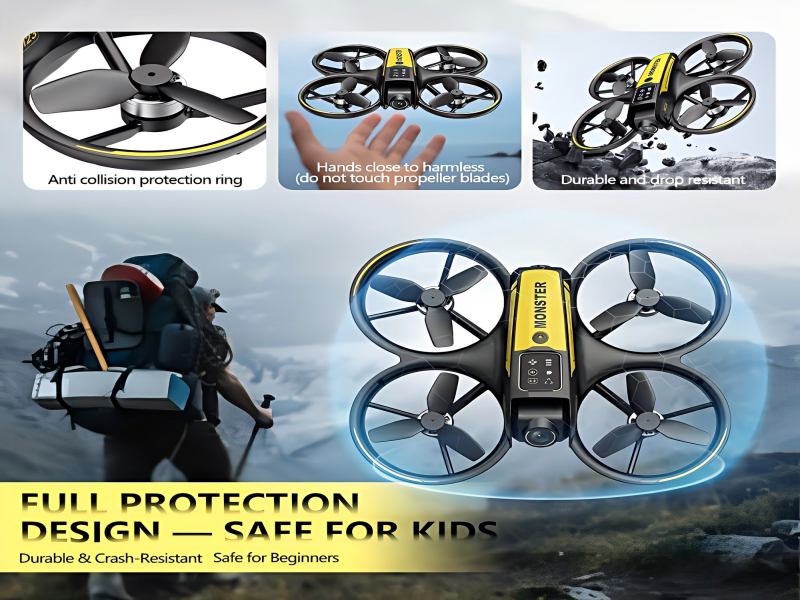 How to Choose the Best Kids Drone for Safe, Fun, and Educational Play – CloudWings Dong Kun Line
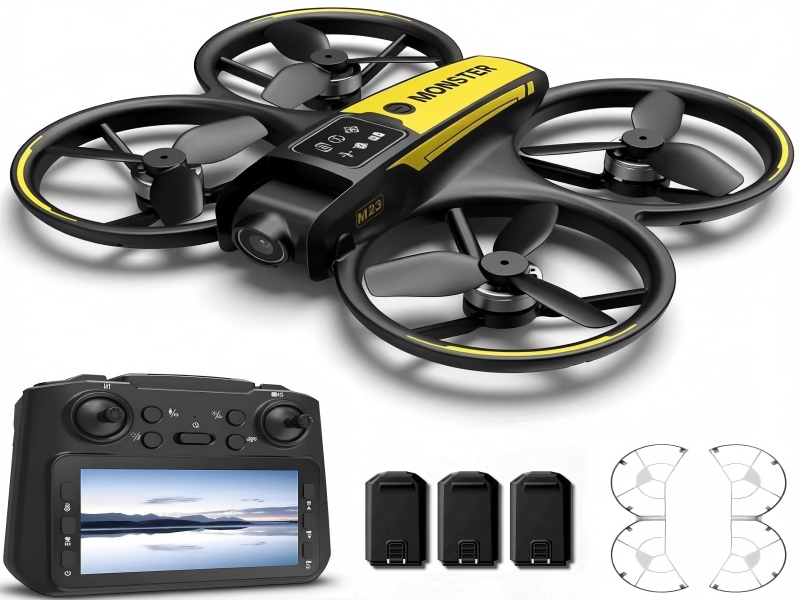 Why the U.S. Leads the Children's Drone Market: Types & Ideal Uses