


Stricter Drone Regulations Drive the Industry into a New Era of Compliance
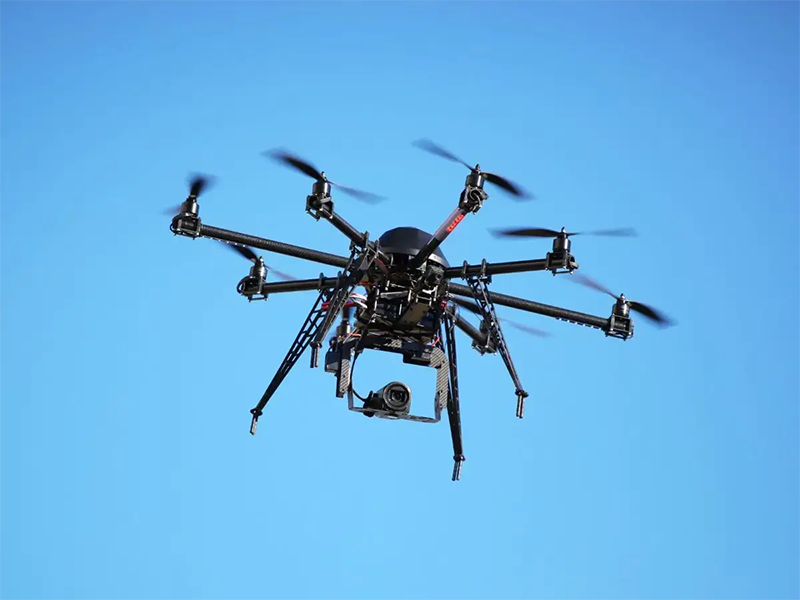
As the global drone industry continues to expand, governments worldwide are introducing stricter drone regulations to ensure safety, accountability, and sustainable growth. In 2026, many countries have implemented new policies requiring commercial drones to be registered and equipped with Remote ID systems, enabling real-time tracking and identification during flight operations.
These regulatory changes are reshaping the commercial drone market, especially in sectors such as energy inspection, agriculture, and logistics. Companies are now required to comply with stricter standards, including pilot certification, airspace authorization, and data security management. As a result, compliance is no longer optional—it has become a key factor in market entry and long-term competitiveness.
For drone manufacturers and suppliers, this shift presents both challenges and opportunities. Businesses with certified products, stable quality systems, and strong R&D capabilities are more likely to gain trust from global clients and participate in large-scale projects.
Looking ahead, the tightening of drone regulations will accelerate industry consolidation and drive demand for high-quality, compliant drone solutions. Companies that adapt quickly to international standards will be best positioned to succeed in the evolving global market.
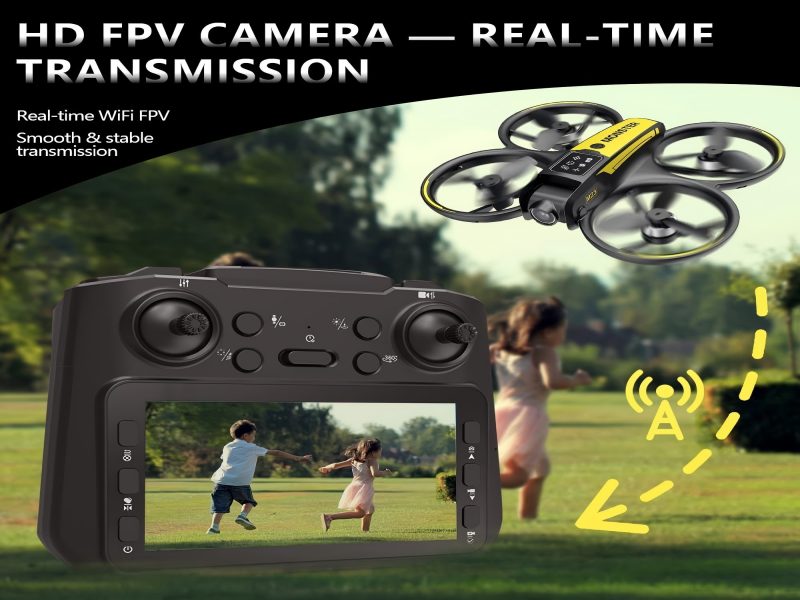 Kids Drones 2026 USA: Safe, Affordable & High-Value for Ages 6–12
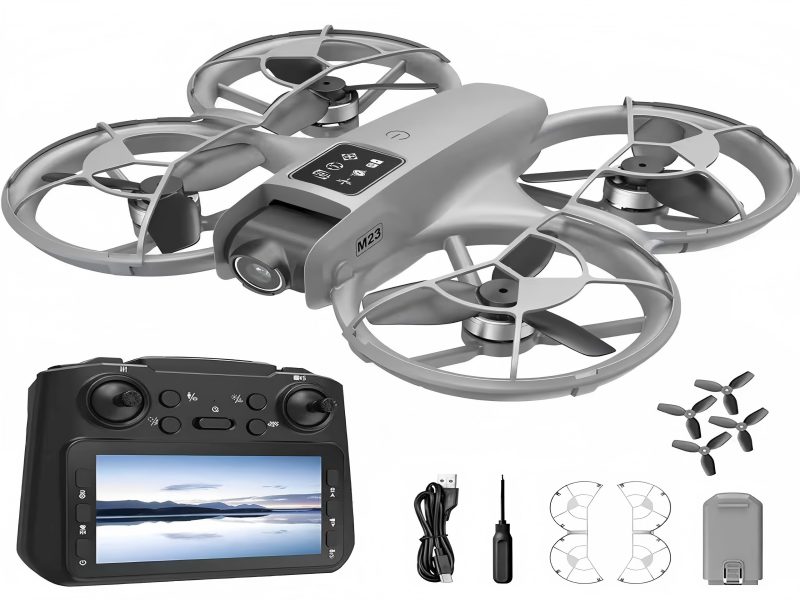 Top 5 Safety Features Every Kids Drone Must Have (2026 Buying Guide for Amazon US Parents)
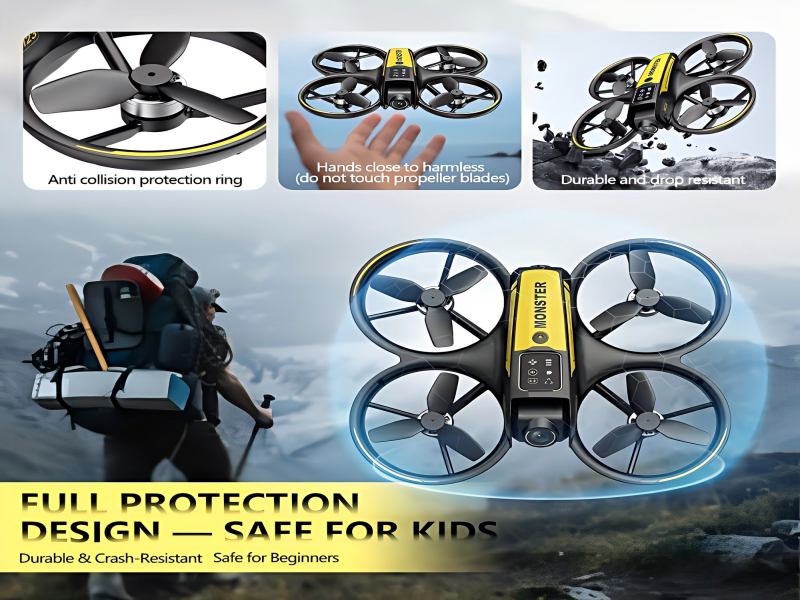 How to Choose the Best Kids Drone for Safe, Fun, and Educational Play – CloudWings Dong Kun Line
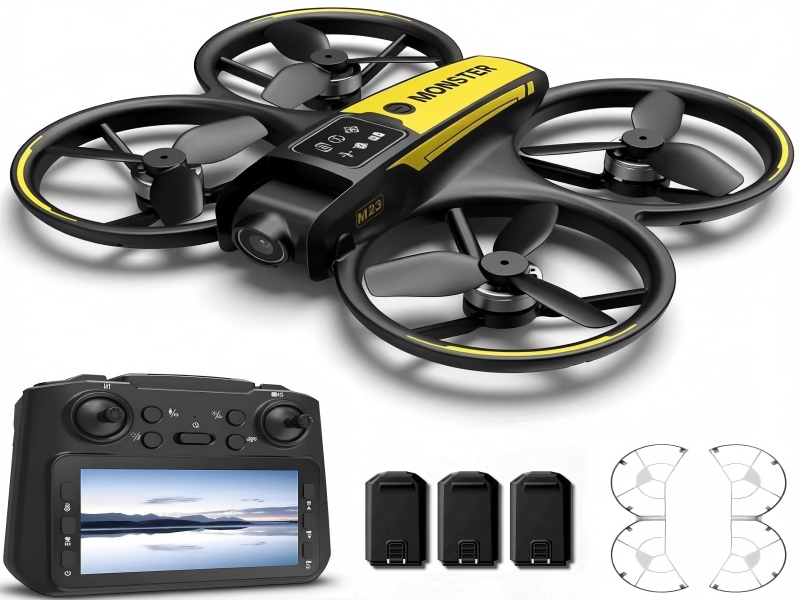 Why the U.S. Leads the Children's Drone Market: Types & Ideal Uses