


Agricultural Drones Drive Smart Farming and Precision Agriculture
As global agriculture moves toward large-scale and intelligent operations, agricultural drones are becoming essential tools in modern farming. Traditional farming methods rely heavily on manual labor for spraying, monitoring, and field management, which can be inefficient and lead to resource waste. The introduction of drone technology is transforming this landscape.
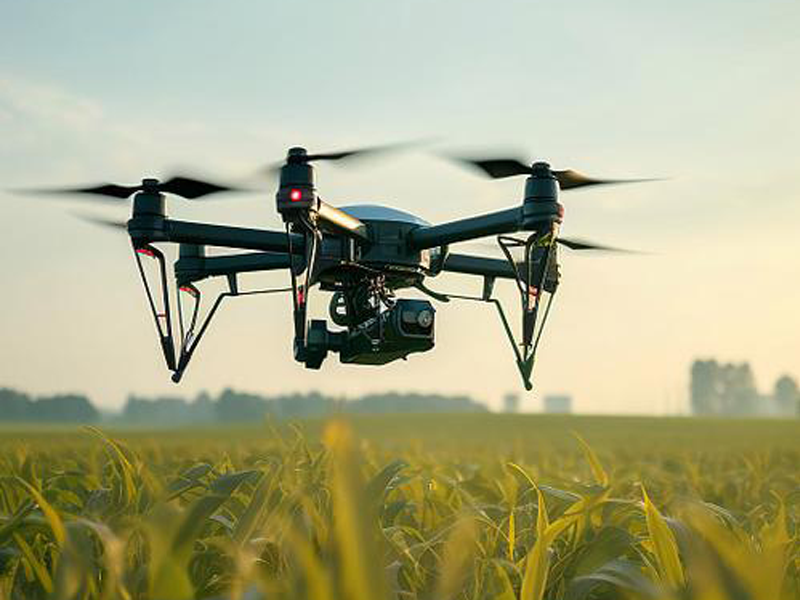
In crop protection, crop spraying drones can follow pre-programmed flight paths to perform large-area spraying with high precision. Compared to manual operations, drones provide more uniform coverage and can adjust pesticide application based on crop conditions, reducing chemical waste while improving effectiveness. They are widely used in crops such as rice, wheat, and corn.
In addition, modern plant protection drones can be equipped with multispectral sensors to monitor crop health in real time. By analyzing plant conditions, soil moisture, and pest activity, farmers can make timely and targeted decisions. This data-driven approach enhances both yield and crop quality.
Agricultural drones also perform well in complex terrains such as hills, mountains, and wetlands. Without relying on road access, drones can be deployed quickly and operate efficiently, improving flexibility in various environments.
Looking ahead, with advancements in AI and automation, agricultural drone systems will become more intelligent, integrating monitoring, spraying, and data analysis into one platform, driving sustainable and efficient farming worldwide.
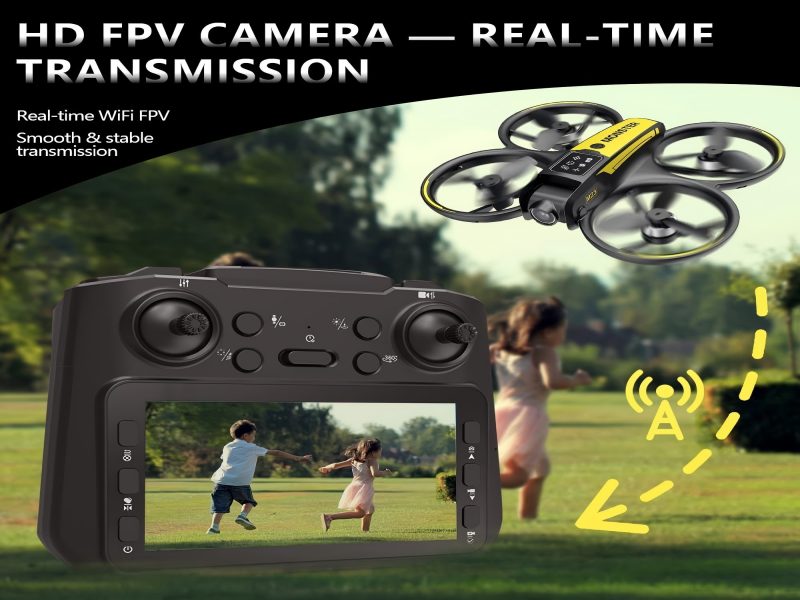 Kids Drones 2026 USA: Safe, Affordable & High-Value for Ages 6–12
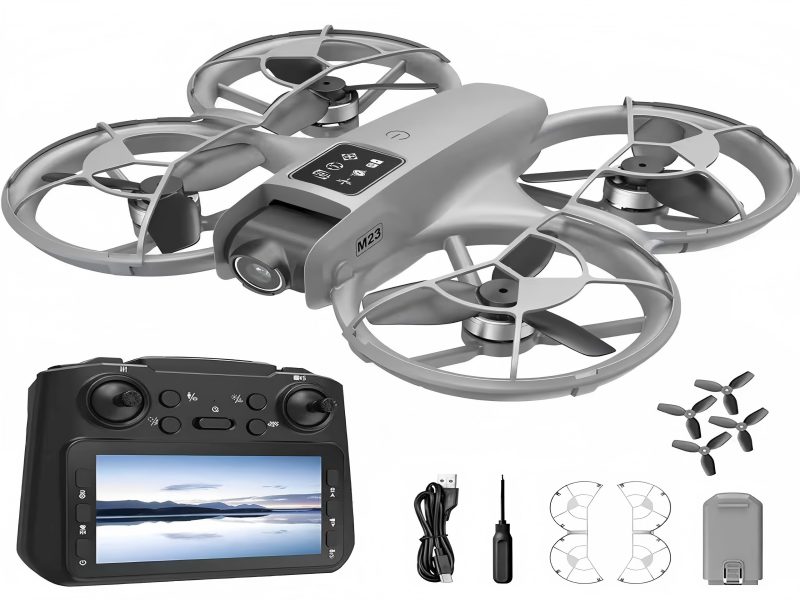 Top 5 Safety Features Every Kids Drone Must Have (2026 Buying Guide for Amazon US Parents)
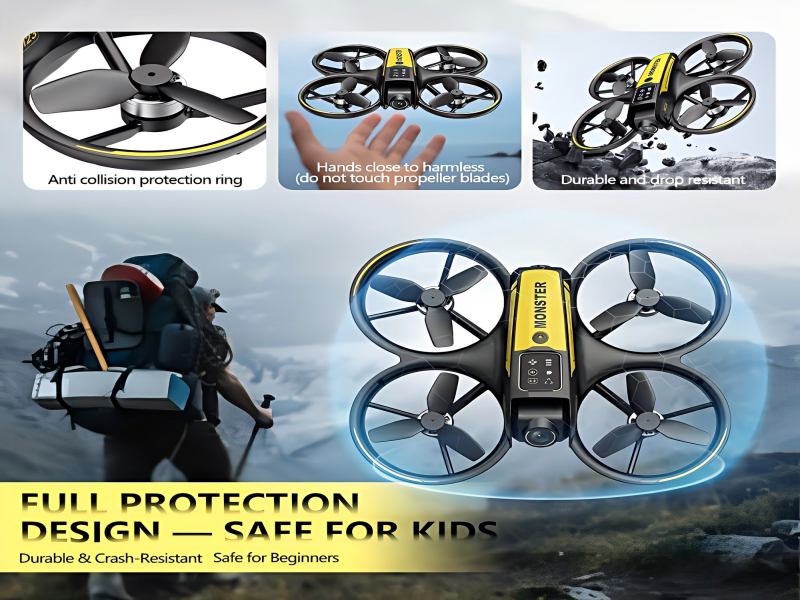 How to Choose the Best Kids Drone for Safe, Fun, and Educational Play – CloudWings Dong Kun Line
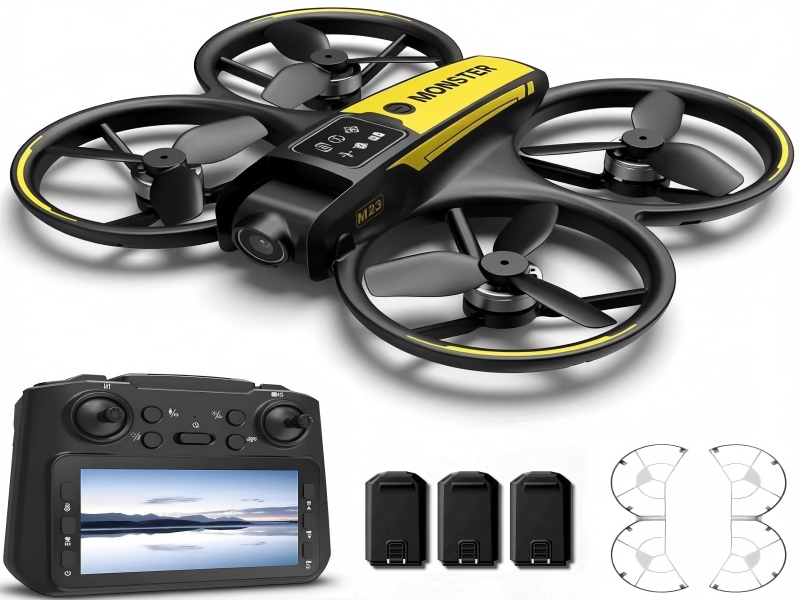 Why the U.S. Leads the Children's Drone Market: Types & Ideal Uses